
The Truth About Self-Leveling Floors: Why Subfloor Prep Isn’t a "Plug-and-Play" Job
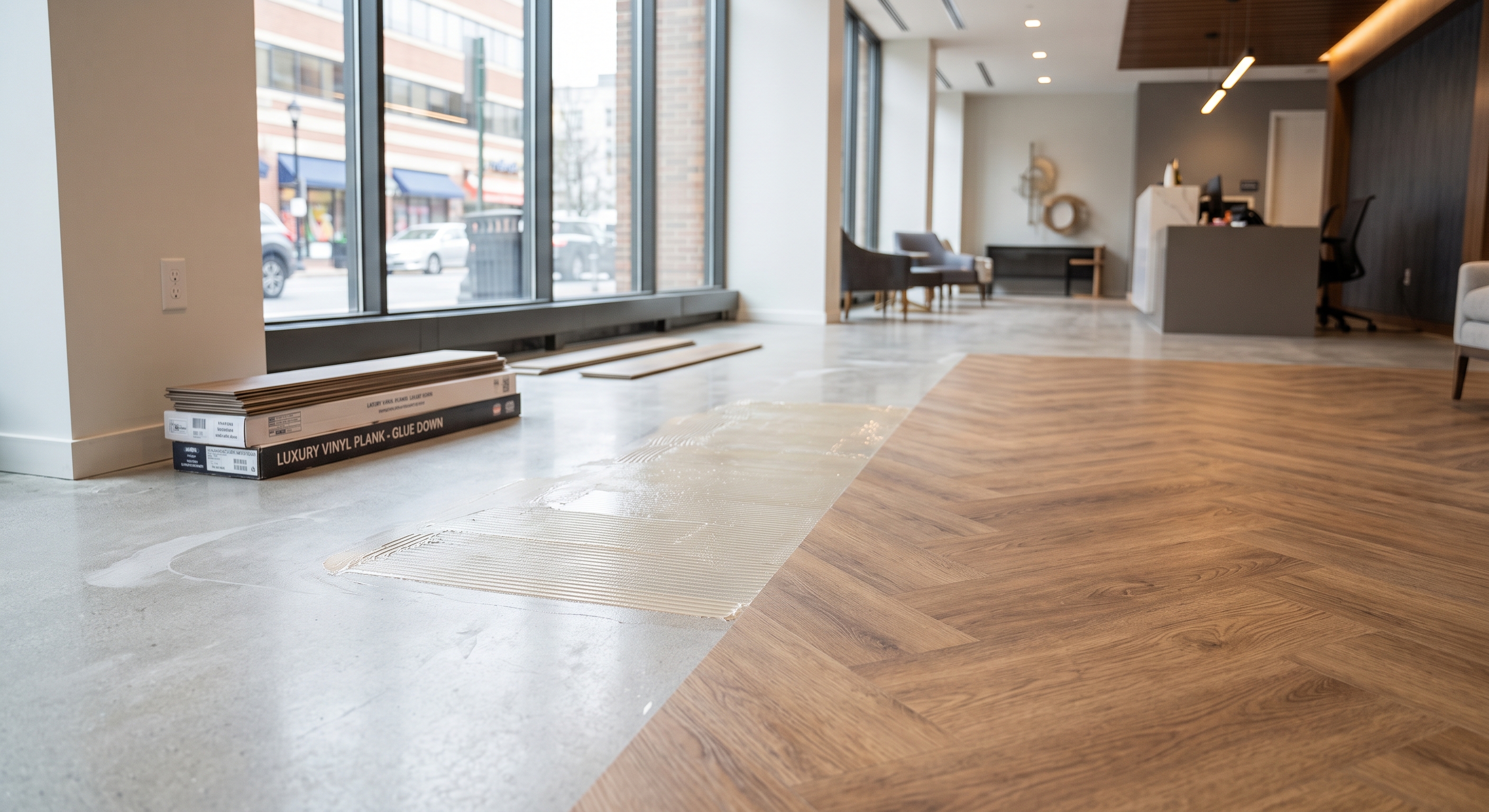
Thinking about upgrading your home with sleek Luxury Vinyl Plank (LVP), laminate, or large-format tile? It’s easy to fall in love with the samples in a showroom. However, the most critical part of a flawless, long-lasting floor is something you will never actually see once the job is finished: the subfloor preparation.
In the age of click-lock flooring, many inexperienced contractors market modern materials as "plug-and-play." They promise quick turnarounds and treat subfloor prep as a minor detail—or skip it altogether. At Maryland Carpet and Tile, after 34 years in the flooring business, we know firsthand that flooring installation is rarely that simple.
Here is why self-leveling compound is essential for rigid hard-surface flooring, and why experience makes all the difference when preparing your home’s foundation.
Why Flatness Matters for Hard-Surface Flooring
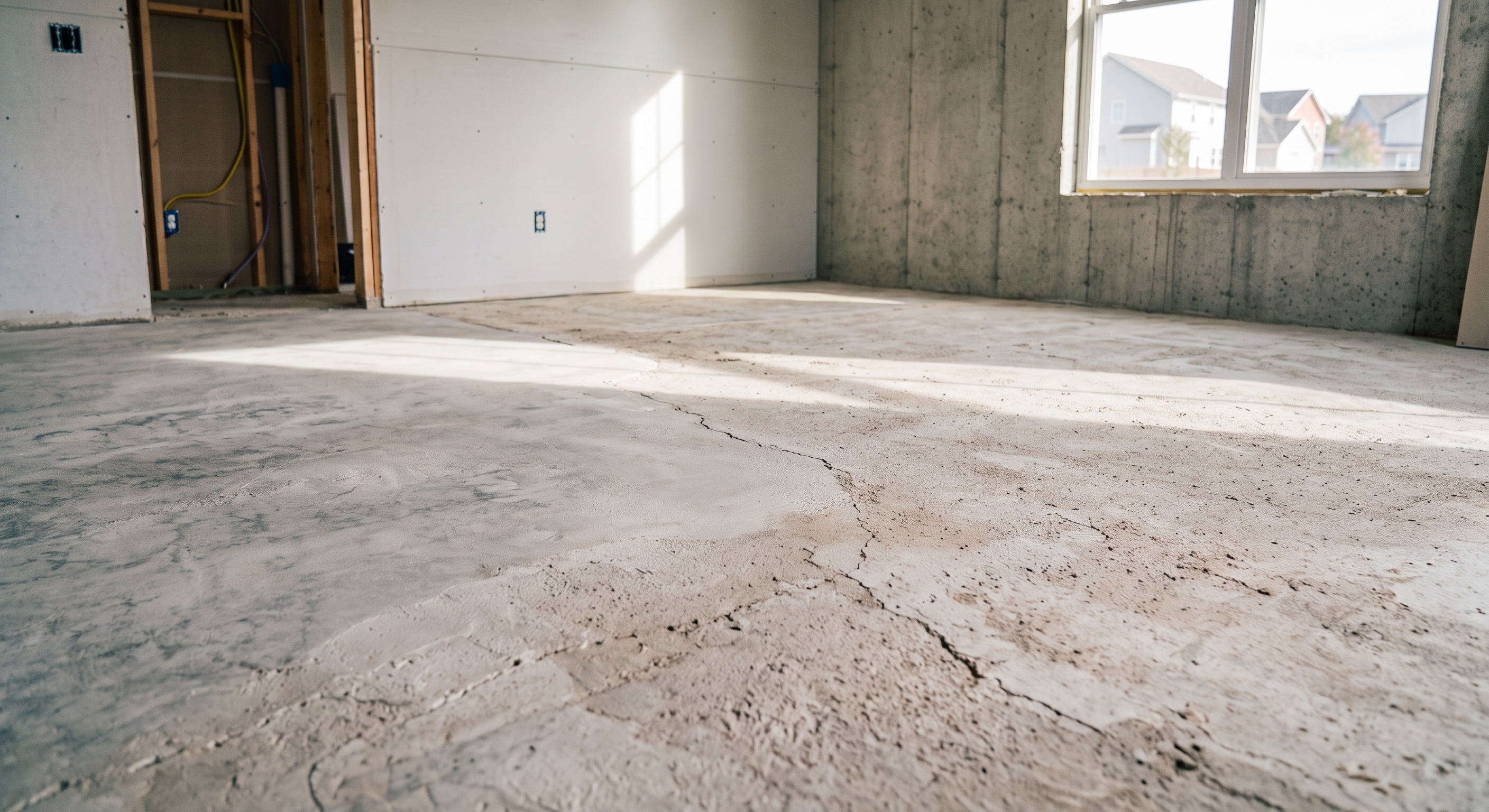
Whether you are installing Luxury Vinyl Tile (LVT), laminate, or ceramic tile, today's hard-surface materials require a flat subfloor. Manufacturers typically require subfloors to be flat within 3/16 of an inch over a 10-foot radius.
When you place rigid materials over dips, humps, or sloping subfloors without leveling them first, major issues occur:
-
Broken Locking Mechanisms: Click-lock LVP and laminate depend on tight seams. If there’s a void underneath the plank, stepping on it creates a trampoline effect that snaps the joint over time.
-
Hollow Sounds and "Bounce": Flooring that floats over uneven low spots feels springy and sounds hollow underfoot.
-
Tile and Grout Cracking: Rigid ceramic or porcelain tile laid over uneven subfloors will experience point-load pressure, leading to cracked tiles and crumbling grout lines.
-
Voided Warranties: Flooring manufacturers will deny warranty claims if the failure is traced back to improper subfloor preparation.
The Myth of "Plug-and-Play" Flooring
Inexperienced contractors or DIY videos often depict self-leveling underlayment as magic in a bucket: just mix with water, pour it out, and watch it fix everything automatically.
In reality, self-leveling compound does not simply level itself. It is a cementitious fluid that requires technical skill, rapid execution, and deep chemistry control to apply correctly.
The "Quick-Fix" Pitfall What Professional Prep Actually Requires Pouring directly over dirty subfloors Subfloor mechanical abrasion, vacuuming, and specialized bonding primers Ignoring fluid dynamics and leaks Sealing all gaps, cracks, and vents so liquid compound doesn't pour into lower floors Guessing water-to-powder ratios Precise measuring; too much water ruins structural integrity, too little stops the flow Working slowly without a plan Managing rapid setup times (often under 15–20 minutes) with coordinated teams The Value of 34 Years of Experience
At Maryland Carpet and Tile, we’ve spent 34 years mastering the complexities of flooring systems. Every home in Maryland presents unique subfloor challenges—from aging plywood structures in historic homes to damp, uneven concrete slabs in basements.
When our team evaluates a subfloor, we look at factors that novice installers miss:
-
Moisture Testing: Applying a self-leveling compound over a moist concrete slab without a vapor barrier will cause the leveler to fail and pop off the floor.
-
Subfloor Deflection: Plywood or OSB subfloors must be structurally sound and stiff enough to support liquid levelers without sagging under the added weight.
-
Primer Compatibility: Different subfloors require specific acrylic or epoxy primers to ensure the leveler bonds permanently without delaminating.
-
Transition Height Management: We calculate exact finished floor heights so your new LVP or laminate aligns seamlessly with existing adjacent rooms, doorways, and trim.
Get It Done Right the First Time
Flooring is an investment in your home’s value and daily comfort. Shortcuts taken underneath your floor will always show up on top eventually—costing you thousands in repairs and replacements down the road.
Don't leave your installation to chance or inexperienced contractors who view subfloor work as an afterthought. Trust the proven experts who have spent over three decades building a reputation for excellence across Maryland.
Planning a flooring remodel? Contact Maryland Carpet and Tile today to schedule your consultation and subfloor evaluation!