
What’s Under Your Bathroom Tile Matters: The Truth About Shower Waterproofing
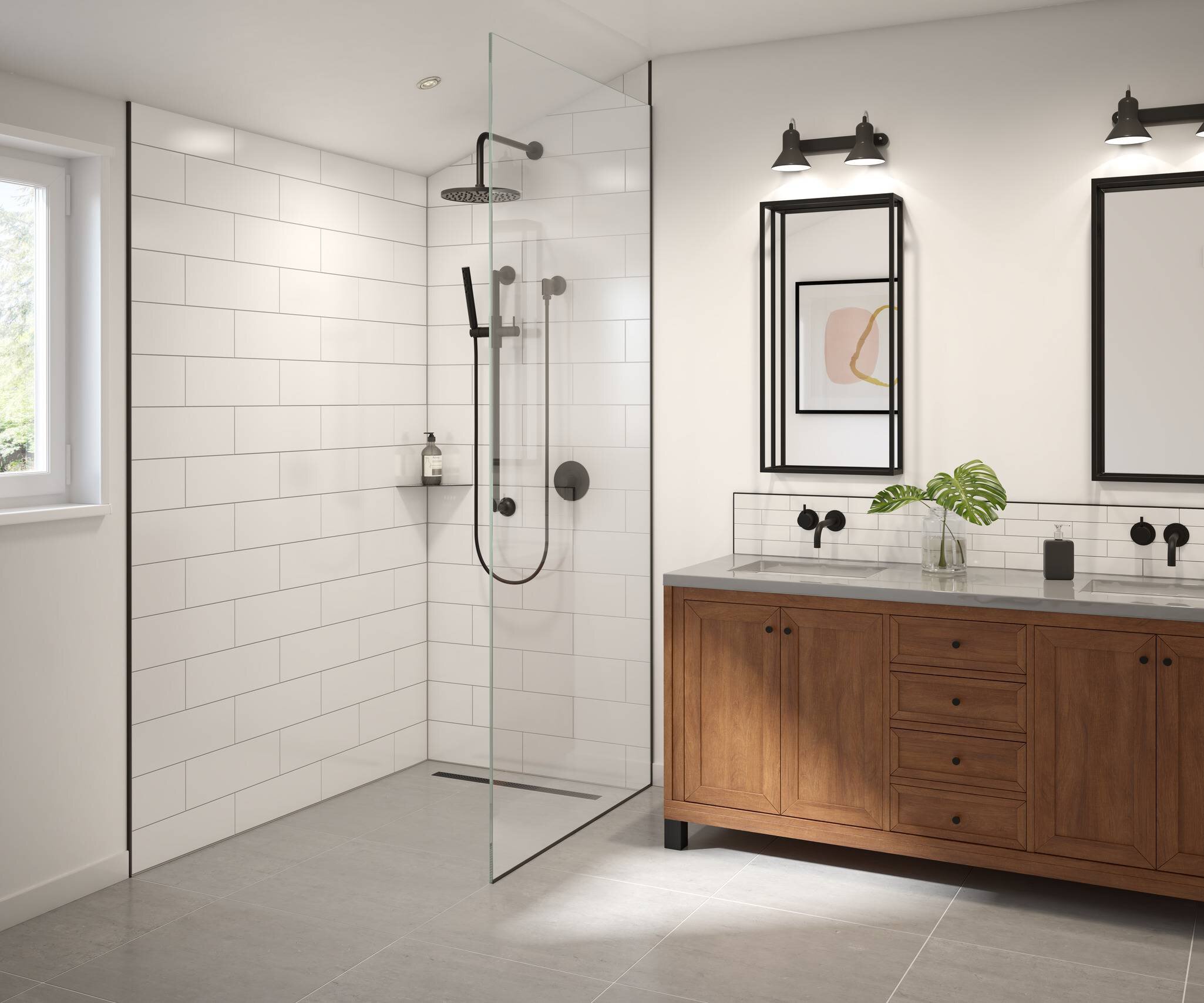
When planning a bathroom remodel, it is easy to spend hours picking out decorative porcelain planks, intricate mosaic accents, or sleek marble finishes. But what lies directly beneath those gorgeous tiles determines whether your dream bathroom lasts decades or turns into a costly nightmare.
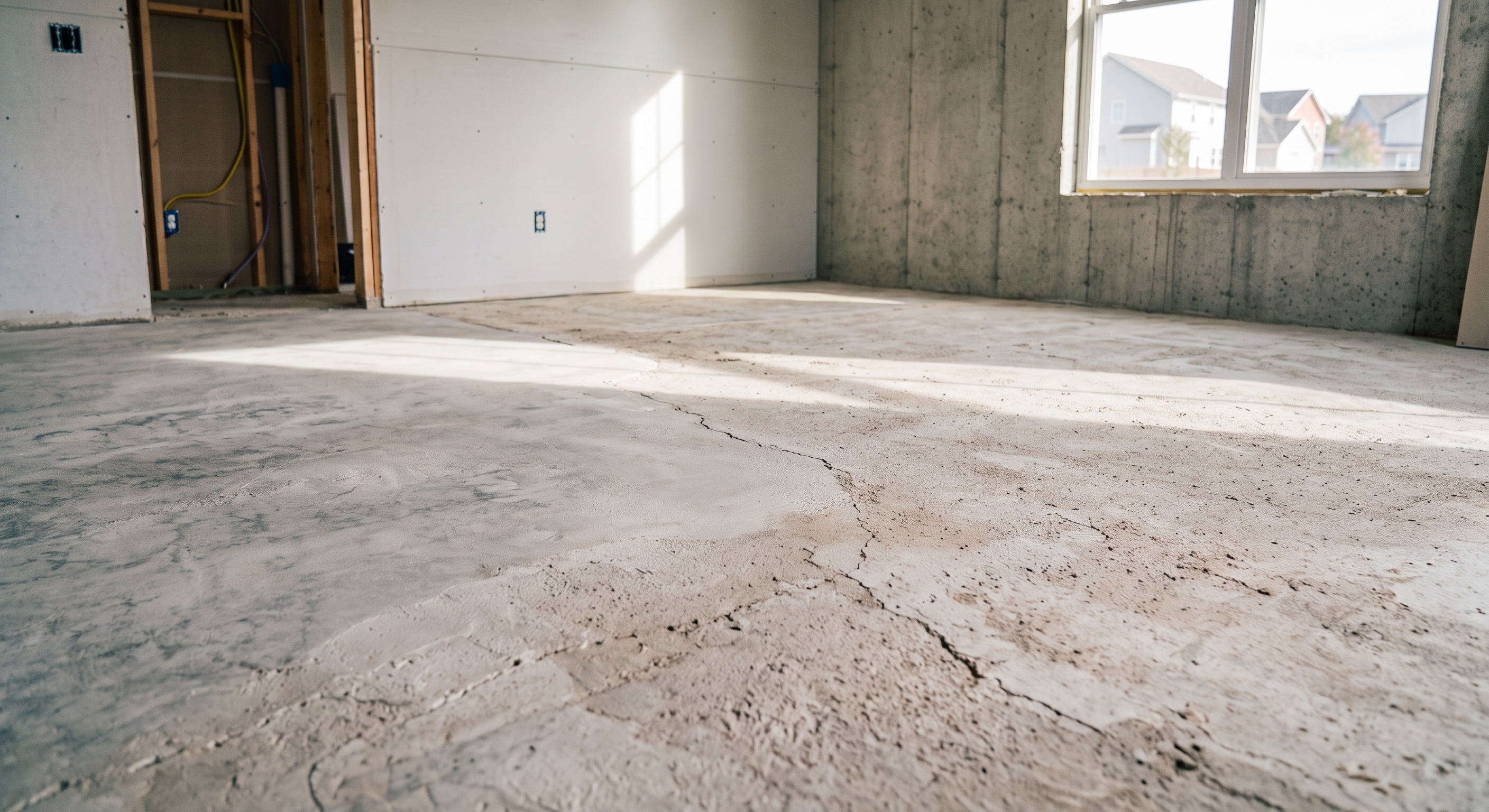
At Maryland Carpet and Tile, we often remind homeowners that tile and grout are water-resistant, not waterproof. Without a properly engineered waterproofing barrier behind the walls and beneath the floor, moisture will migrate into the subfloor and wall framing—causing hidden rot, structural compromise, and mold growth.
1. Top Waterproofing Systems on the Market Today
Modern tile technology has evolved far beyond traditional vinyl pan liners and basic roofing felt. Today, several professional-grade waterproofing systems protect wet areas:
-
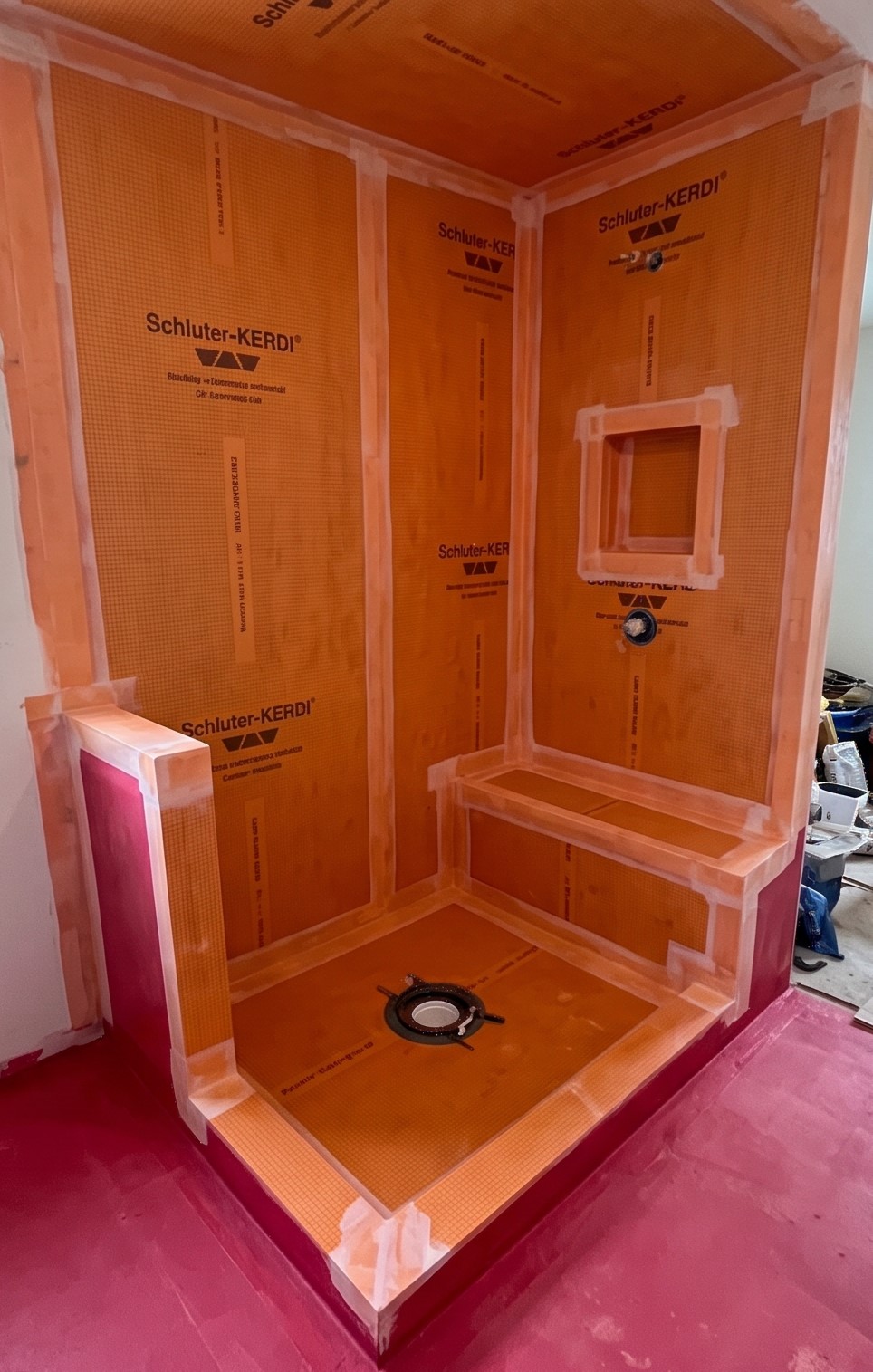
Sheet Waterproofing Membranes (e.g., Schluter®-KERDI, Custom®-WP): These pliable, polyethylene sheets are bonded directly to cement board or drywall using thin-set mortar. They create an impenetrable barrier immediately behind the tile, keeping moisture at the outer surface.
-
Liquid-Applied Waterproofing Membranes (e.g., RedGard®, Laticrete® Hydro Ban): Elastomeric rubberized coatings applied with a roller or brush. As they cure, they form a continuous, seamless waterproof membrane over walls, curbs, and floors.
-
Foam Board Shower Systems (e.g., Wedi®, Schluter®-KERDI-BOARD): Pre-manufactured, lightweight foam panels that serve as both structural backing and built-in waterproofing. When paired with specialized sealant bands, they allow for fast, fully integrated moisture protection.
2. Why Do Waterproofing Systems Fail? (The Contractor Problem)
If modern products are so effective, why do so many shower leaks still happen?
The short answer: Installation Error.
Many general contractors and handyman services rely on outdated techniques or rush through prep work to save time. Here are the most common points of failure we see in Maryland homes:
When a contractor treats waterproofing as an afterthought, water builds up behind the walls or under the shower floor. Over time, this leads to floor joist decay, tile delamination, and costly water damage repairs in lower-level ceilings.
3. How Maryland Carpet and Tile Does It Differently
Building methods, adhesives, and manufacturer specifications change constantly. What was considered industry standard ten years ago may no longer meet tile industry standards set by the Tile Council of North America (TCNA) or the National Tile Contractors Association (NTCA).
At Maryland Carpet and Tile, we do not leave installation quality to guesswork:
Ongoing Training & Industry Refreshers
We regularly invest in hands-on training programs and technical workshops with leading industry manufacturers. Our installers attend refresher seminars to master updated installation protocols, specialized drain connection techniques, and advanced flash-waterproofing procedures.
Rigorous On-Site Quality Control
Every wet-area installation project undergoes strict prep inspections. We ensure correct mil-thickness on liquid membranes, verified seam coverage on sheet systems, and proper flood testing prior to setting a single tile.
Experienced Local Expertise
Serving Gaithersburg, Montgomery County, and the broader Maryland area, our family-oriented team handles your bathroom project with the precision and structural integrity it deserves.
Protect Your Investment Before the Tile Goes Down
Whether you're planning a custom walk-in shower or updating a guest bath floor, don't leave your subfloors exposed to moisture risks.
Visit the Maryland Carpet and Tile showroom at 425 N. Frederick Ave in Gaithersburg, MD, or call us at (301) 258-8453 to discuss your project with our certified flooring and tile specialists.