
If you’ve ever tried to patch Red Oak Hardwood Flooring with a bundle of brand new red oak, you probably noticed right away: it doesn’t look like the same wood.
Modern Red Oak hardwood flooring is physically and visually different from what was produced decades ago. The shift isn't just a matter of changing interior design trends—it comes down to forest biology, manufacturing tech, and chemical finishes.
1. Fast-Growth Trees vs. Old-Growth Forests
-
Then (Tight Grain): Historic floors were milled from old-growth trees that grew slowly in dense, shaded, undisturbed primary forests. Because they grew so slowly, the annual growth rings were tightly packed together, creating an even, dense grain pattern.
-
Now (Wide, Bold Grain): Today’s red oak comes from managed, second- or third-growth forests. These trees are harvested on faster rotations and grow in open sunlight, causing them to grow much faster. This rapid growth creates wider, more pronounced springwood rings—giving modern boards a coarser, higher-contrast, "swirly" flame pattern with open pores.
2. Shift in Plank Widths & Form Factors
-
Then (Narrow Strip Flooring): For most of the 20th century, standard red oak flooring was solid 2¼-inch wide strips. This was partly because narrower strips were more dimensionally stable and used up smaller cuts from the mill.
-
Now (Wide Planks & Engineered Wood): Today’s homeowners prefer wide planks (4 to 8+ inches). To keep wide boards from warping, cupping, or gapping as humidity changes, much of today's red oak is manufactured as engineered hardwood (a real red oak veneer glued over a cross-layered plywood core).
3. Factory Pre-Finishing vs. Site Sanding
-
Then (Site-Finished): Vintage floors were laid raw, sanded dead-flat on site, and finished with oil-based polyurethane or varnish. The oil ambered dramatically over time, giving old oak its warm, rich, golden-honey tone.
-
Now (Pre-Finished with Beveled Edges): Most modern flooring is pre-finished in a factory with micro-beveled edges (so the boards seat neatly without needing on-site sanding) and tough, UV-cured aluminum oxide coatings.
4. Modern Stain Colors & Natural Undertones
-
Then: Old red oak was typically stained in warm medium-browns, reddish-mahogany tones, or left natural under ambering oil finishes.
-
Now: Red oak has a natural pinkish undertone. Modern flooring manufacturers use chemical bleaches, reactive stains, wire-brushing, or modern ultra-matte water-based finishes (like Bona Traffic HD) specifically to neutralize that pink/red and mimic the trendy pale, raw look of European White Oak.
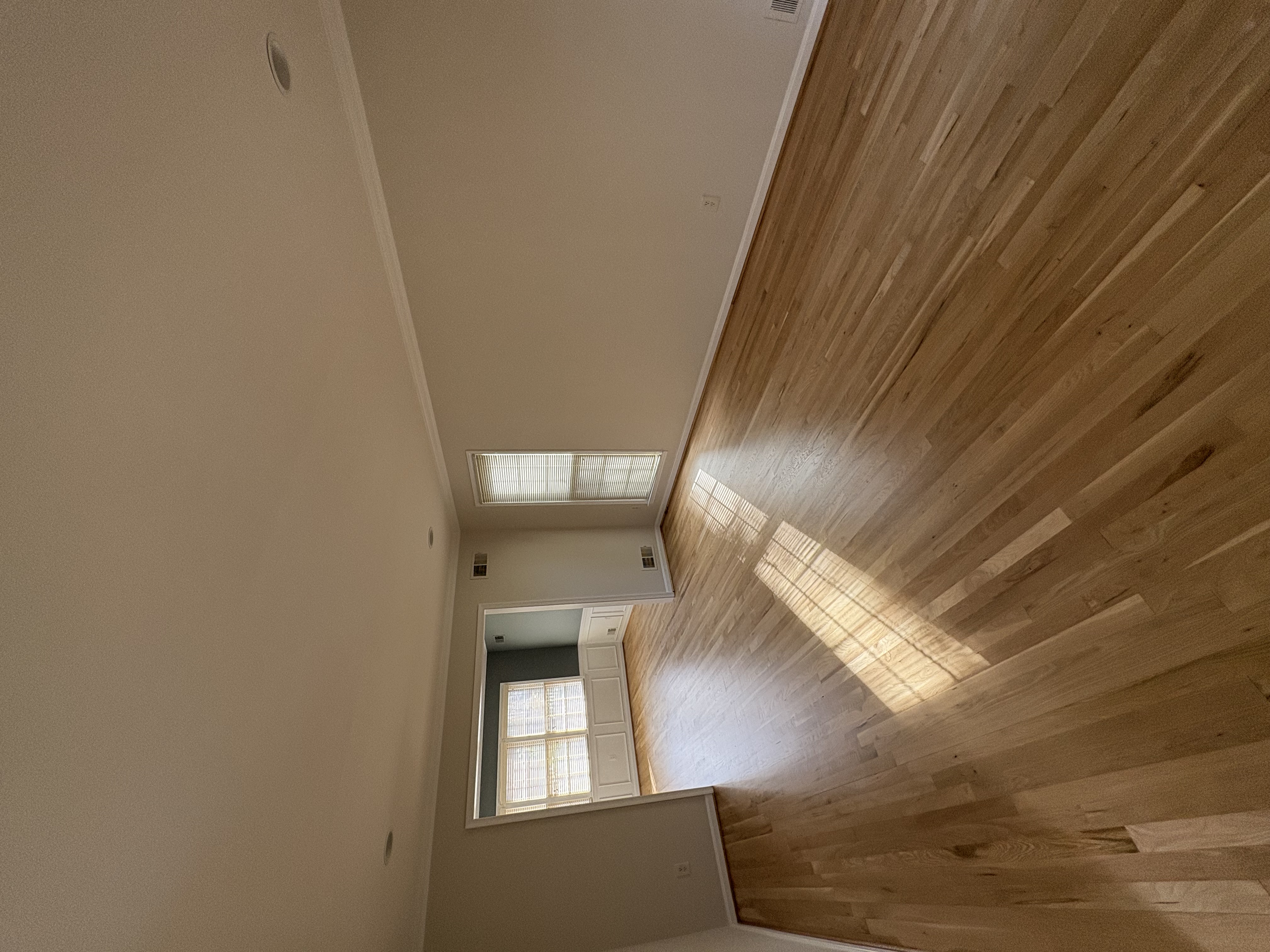
The Refinishing Trap: If you're matching new red oak to existing old red oak in a renovation, buying the exact same "grade" of modern red oak won't automatically blend in. Modern boards will often look lighter, show wider grain, and pull more pink until a pro flooring installer selectively stains or tones the new wood to match the aged patina of the original.