
If you’ve walked through home tours across Bethesda, Potomac, or Rockville lately, you’ve likely noticed a distinct shift. The sterile, monochrome "all-gray everywhere" aesthetic that dominated home renovations for the last decade is officially taking a backseat.
In its place? Warm, tactile, and intentionally "zoned" living spaces.
Modern Maryland homeowners are embracing open concept layouts, but they no longer want one single material running uninterrupted from the front door to the back patio. Instead, the freshest trend in home remodeling is mixed material zoning combining plush textured carpets, rich hardwood or luxury vinyl (LVP or LCT), and custom porcelain tile into a unified, high-performance home floor plan.
Here is how to master this fresh approach in your upcoming Maryland remodel without relying on ugly metal transition strips or visual clutter.
1. What is "Flooring Zoning"?Maryland’s four-season climate puts unique demands on residential flooring. Between humid Chesapeake summers, muddy spring rains, and slushy winter days, a "one size fits all" floor rarely holds up everywhere in the house.
Zoning is the practice of selecting flooring materials tailored specifically to the physical demands and emotional vibe of each distinct zone in your home:
-
The High-Impact Entry & Mudroom: Heavy duty, slip resistant porcelain or natural slate tile that traps moisture and dirt right at the threshold.
-
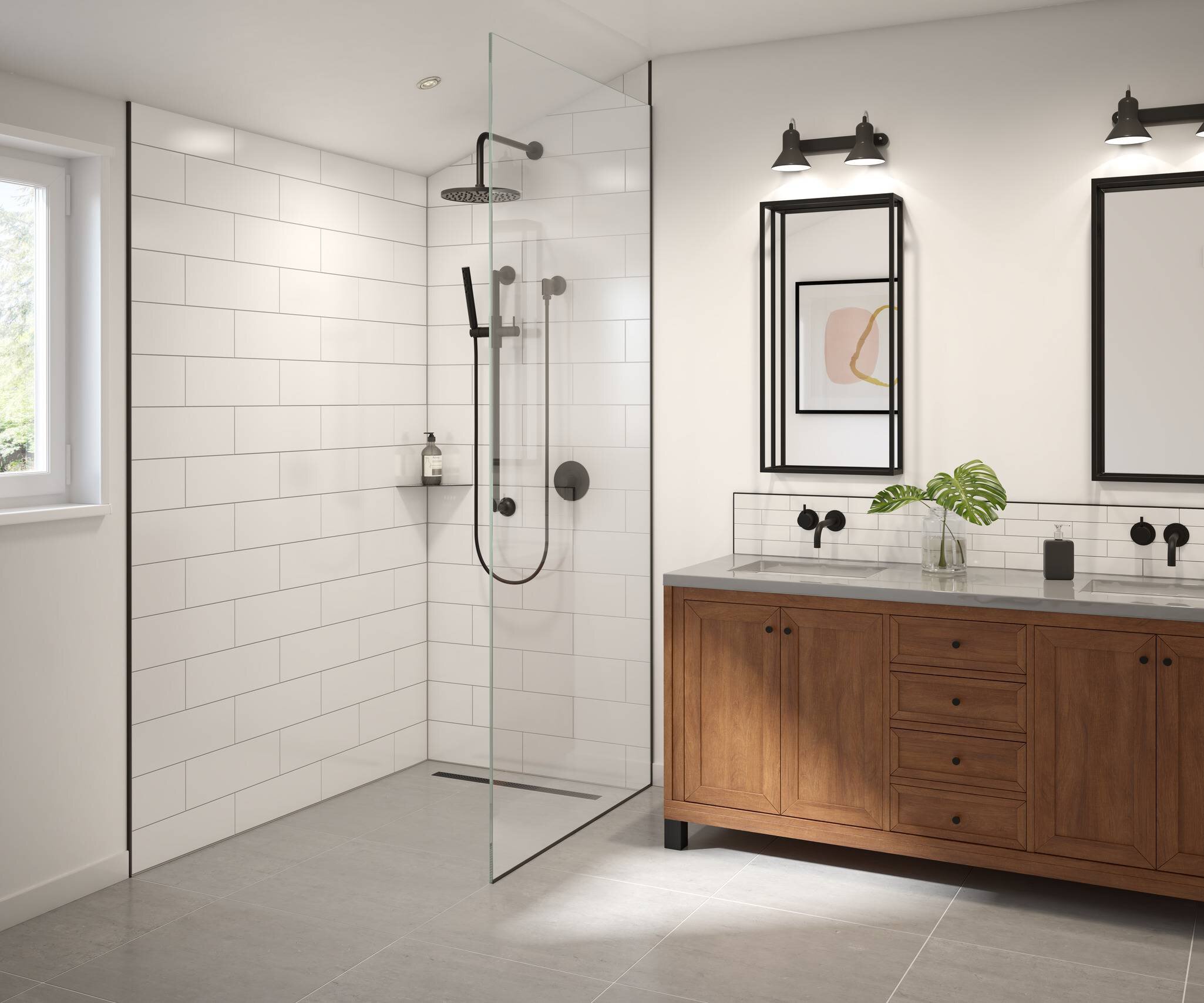
The Living & Entertaining Hub: Wide-plank natural hardwood or ultra-durable luxury vinyl flooring (LVP or LVT) in warm oak, honey, or chestnut tones and or Ceramic tile designs.
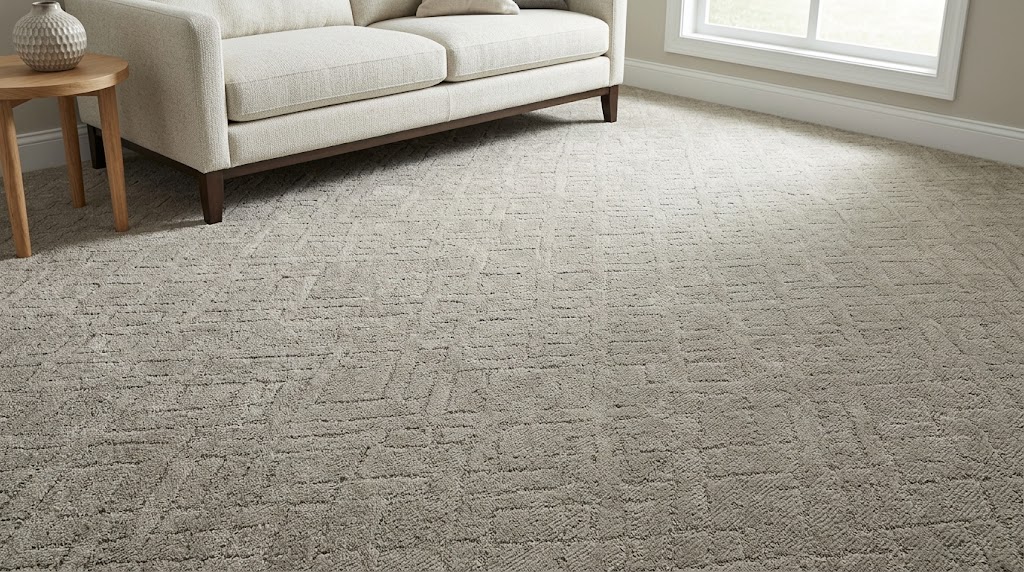
The Quiet Retreats (Bedrooms & Basements): Patterned carpets or plush textured fibers (like boucle or frieze) that deliver acoustic dampening and underfoot warmth.
Remodeling Pro Tip: Zoning creates psychological "walls" in modern open-floor plans without actually blocking natural light or airflow.
2. Say Goodbye to T-Molds: How We Create Flush, Seamless TransitionsThe biggest mistake DIYers and inexperienced contractors make with mixed flooring is using bulky, raised T-molding transition strips across doorways and room borders. They create tripping hazards, catch dust, and look cheap.
In high end 2026 renovations, transitions are treated as architectural features:
Hexagon & Wood "Curved Melt" TransitionsInstead of a straight line, hexagonal porcelain tiles in the kitchen or entryway gracefully "bleed" into wooden planks in the adjacent dining area. Our tile setting team cuts hardwood planks around individual tile shapes for a hand-crafted, custom finish.
Flush Inlaid Carpet RunnersRather than laying carpet over top of wood on staircases or in hallway nooks, modern remodels use flush-inlaid carpet zones. The subfloor is pre-engineered so the top of the plush carpet pile sits completely level with the adjacent hardwood or tile surface.
Brass & Matte Black Decorative InlaysWhen joining two hard surfaces (like LVP in the kitchen and natural stone in the pantry), a thin 1/8-inch solid brass or matte black schluter strip creates a clean, intentional jewelry-like detail.
3. Room-by-Room Material Guide for 2026 RemodelsThinking about updating your layout this season? Here are the winning combinations our design team is installing across Montgomery County right now:
When combining tile, hardwood, LVP, and carpet in a single home, subfloor preparation is everything.
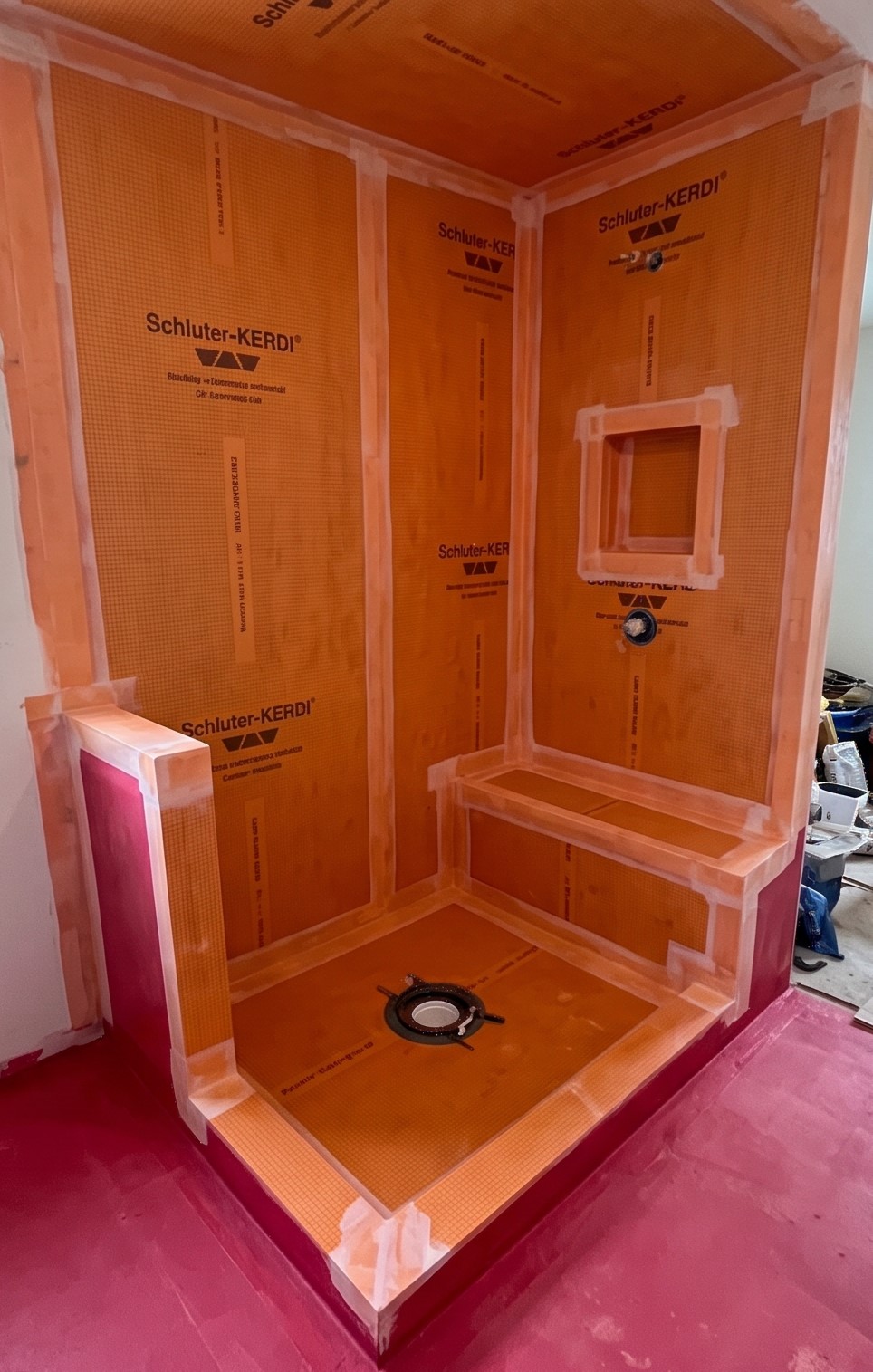
Tile requires a rigid, completely unyielding substrate with waterproof membrane backing (like Kerdi or Ditra) to prevent grout cracking and subfloor rot. Hardwood and carpet, meanwhile, require precise moisture-barrier underlayments to protect against foundation vapor.
at Maryland Carpet & Tile, we don't just lay surface materials we custom engineer the subfloor height of every room so that every transition across your entire floor plan is whisper-smooth, level, and structurally sound for decades.
Ready to Elevate Your Maryland Home's Flooring?Whether you're planning a full kitchen and bath gut-renovation in Bethesda, or simply replacing worn bedroom carpet in Gaithersburg, seeing and feeling materials in person makes all the difference.
Visit the Maryland Carpet & Tile showroom in Gaithersburg to explore hundreds of live tile layouts, hardwood samples, LVP/LVT planks, and premium carpet options under expert guidance.
Schedule Your Free In-Home Estimate & Consultation Today