Choosing the Right Foundation: A Guide to Carpet Padding Types
When shopping for new wall-to-wall carpeting, it’s easy to get caught up in colors, textures, and stain resistance. However, what lies beneath your carpet is just as important as the fibers you walk on.
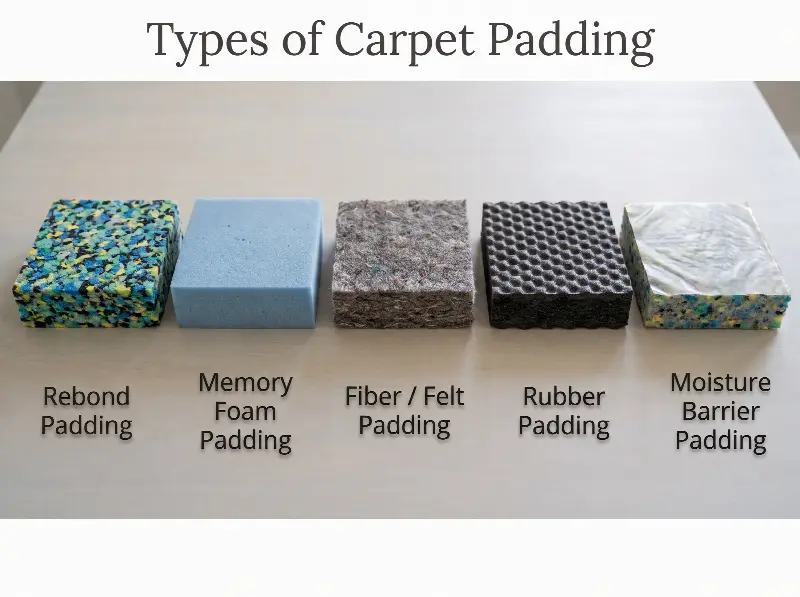
At Maryland Carpet and Tile, we want to ensure you get the most out of your flooring investment. Here is a breakdown of the most common types of carpet padding and where they work best in your home.
1. Rebond Foam (Bonded Polyurethane)
If you’ve ever seen colorful, speckled foam padding, you’ve seen rebond. Made from recycled pieces of high-density polyurethane foam bonded together, rebond is the most popular choice for residential wall-to-wall carpeting.
-
Best For: Living rooms, bedrooms, hallways, and family rooms.
-
Pros: Cost-effective, eco-friendly (made from recycled materials), durable, and offers great comfort underfoot.
-
Cons: Not naturally moisture-resistant unless paired with a built-in moisture barrier.
2. Memory Foam (Visco-Elastic)
Just like the mattress material, memory foam carpet padding conforms to the weight of your footstep and slowly bounces back. It is often infused with moisture-blocking technology and antimicrobial treatments.
-
Best For: Bedrooms, basements, and homes with pets or kids.
-
Pros: Unmatched plushness, excellent sound absorption, and superior spill protection (when equipped with a moisture barrier).
-
Cons: Higher price point than standard rebond, and can feel too soft under certain low-pile or Berber carpets.
3. Fiber Padding (Felt, Wool, or Synthetic)
Fiber padding is dense, firm, and made from compressed natural or synthetic fibers (like jute, hair, or recycled textiles). Because it has very little "give," it provides sturdy support rather than a squishy feel.
-
Best For: Commercial spaces, high-traffic areas, stairs, and low-profile loop carpets (like Berber).
-
Pros: Prevents carpet backing from stretching or wrinkling, extremely durable, and holds up well under heavy furniture.
-
Cons: Lacks the cushioned, plush feel many homeowners want in lounging areas.
4. Rubber (Waffle and Flat)
Rubber padding comes in two main varieties: waffle rubber (which has a textured, bouncy grid pattern) and flat sponge rubber (which is dense, smooth, and heavy-duty).
-
Best For: Stairs, high-traffic hallways, and luxury residential installations.
-
Pros: Flat rubber is one of the longest-lasting pads available—it won't break down or flatten out over time. Waffle rubber offers a bouncy, cushioned feel.
-
Cons: Waffle rubber can break down faster in high-traffic zones, and natural rubber tends to be more expensive.
5. Froth Polyurethane Foam
Froth foam is a dense, uniform foam manufactured as a single continuous sheet rather than bonded scraps. It delivers consistent support across the entire floor.
-
Best For: High-traffic residential spaces, stairs, and commercial-grade installations.
-
Pros: Exceptional durability, resists bottoming out under heavy foot traffic, and works well with almost any carpet style.
-
Cons: More expensive than traditional rebond foam.
Quick Comparison Guide Padding Type Feel Underfoot Best Room / Use Durability Rebond Foam Cushioned & supportive Bedrooms, living rooms High Memory Foam Ultra-plush Bedrooms, pet-friendly homes High Fiber / Felt Firm & flat Berber carpets, stairs, offices Very High Flat Rubber Dense & supportive Stairs, heavy-traffic areas Extremely High Froth Foam Firm & resilient Whole-home, high-traffic Very High Density and Thickness: Two Numbers That Matter
Regardless of the material you choose, pay attention to density (measured in pounds per cubic foot) and thickness (measured in inches).
-
Standard residential rooms typically do best with a 6- to 8-pound density and a 7/16-inch thickness.
-
Stairs and Berber carpets require a thinner, denser pad (usually 3/8-inch thick and 8+ pounds) to prevent the carpet from shifting or buckling.
Tip: Thicker isn't always better! A pad that is too thick or too soft can cause the carpet fibers to flex too much, wearing out your carpet prematurely and potentially voiding your manufacturer's warranty.
Ready to Upgrade Your Floors?
Choosing the right carpet pad doesn't have to be guesswork. Visit Maryland Carpet and Tile to feel the difference between these cushions in person. Our flooring experts will match your lifestyle, budget, and carpet style with the ideal foundation so your floors look and feel great for years to come.
Keep reading
More from
the blog.
-
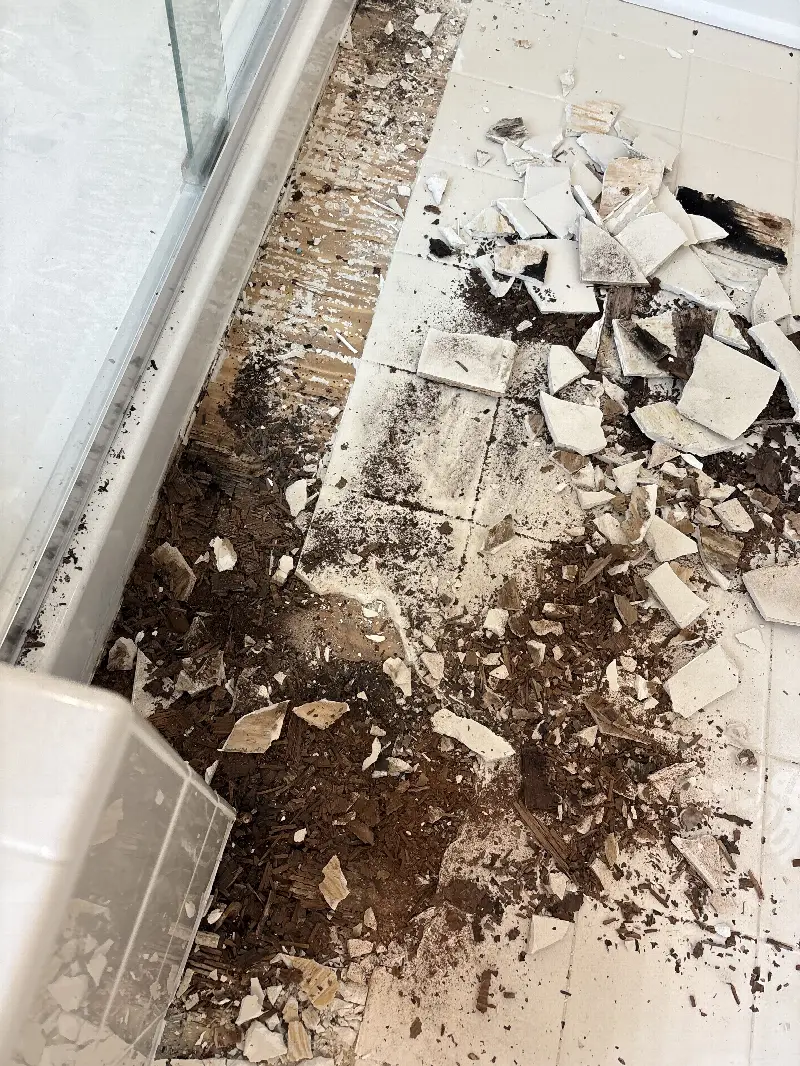
To Spend or Not to Spend: Why Subfloor Waterproofing Before Flooring Installation in Maryland Isn’t Optional
Read article -
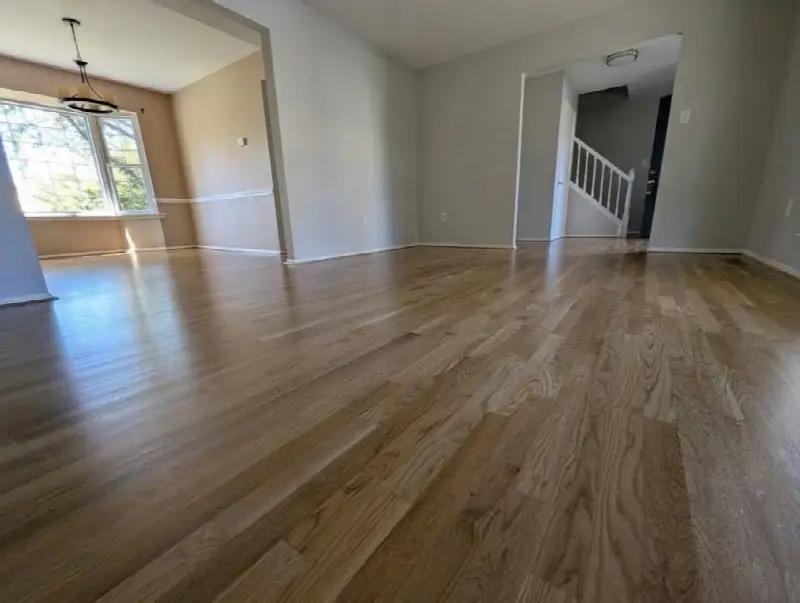
Don’t Renovate for the Next Buyer: The Psychological and Financial Case for Replacing Floors While You Still Live There
Read article -
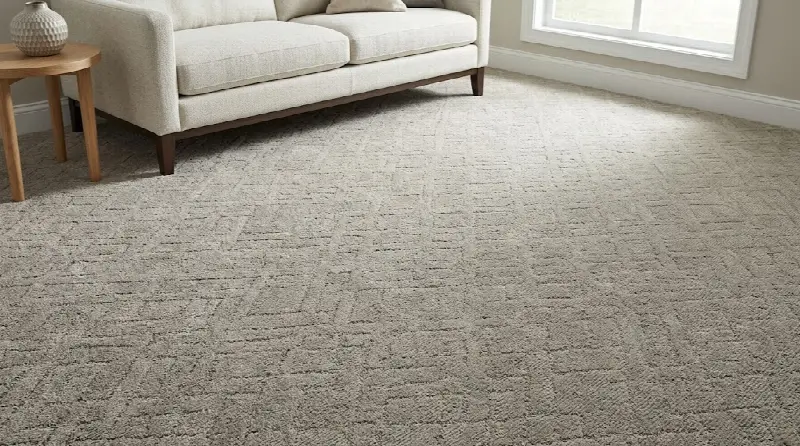
Why Is Your New Carpet Already Matted Down? The Secret Power of Nylon
Read article

Ready when you are
Let's walk
your floors.
An estimator comes to you, measures every room and gives you a clear quote — free, with no hidden fees.